
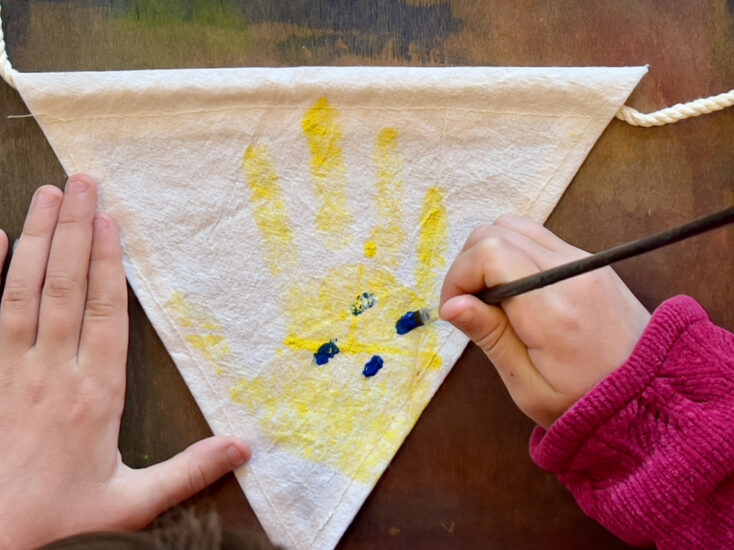
NAIDOC Week is an annual celebration of Aboriginal and Torres Strait Islander peoples, recognising their histories, cultures and achievements. The name NAIDOC stands for National Aborigines and Islanders Day Observance Committee. Its origins date back to 1938, when Aboriginal activists organised a Day of Mourning to protest the treatment of Aboriginal people. This grew into a national week of recognition, now held in July each year.
Schools often mark the occasion through classroom activities and discussions that help students understand First Nations histories and perspectives. Learning about First Nations histories and cultures during NAIDOC Week gives children a deeper understanding of Australia’s past and present, while helping them appreciate the experiences and contributions of First Nations peoples.
Why NAIDOC Week Matters in Schools
Aboriginal and Torres Strait Islander Histories and Cultures is a cross-curriculum priority in the Australian Curriculum, so students meet these topics across many subjects, not only in July. NAIDOC Week gives schools a focused chance to bring that learning to life.
Students learn that Aboriginal and Torres Strait Islander peoples have cared for this land for more than 60,000 years. They also learn about dispossession, the removal of children in the Stolen Generations, and a long fight for recognition and rights. Understanding this history helps children see why NAIDOC Week exists and why it still matters today.
The learning is not only about the past. Students hear about the contributions Aboriginal and Torres Strait Islander peoples make to Australian life now, in fields such as art, science, sport, law and education. Asking questions and weighing different perspectives is part of that process.
Schools mark the week through classroom discussions, stories, art activities and lessons about local First Nations communities. These lessons work best when teachers draw on accurate resources and the knowledge of Aboriginal and Torres Strait Islander people. Parents can extend the learning at home by asking their children what they covered at school or visiting a local cultural site together.
How Parents Can Help Children Learn First Nations History
Parents can support children’s learning about Aboriginal and Torres Strait Islander history through everyday conversations. Here are five ways to start.
- Learn about the Traditional Custodians of your area. Find out which Aboriginal nation or language group has traditional connections to your area. Local libraries and Aboriginal organisations can point you to reliable information.
- Read books by Aboriginal and Torres Strait Islander authors. Choose stories that explore traditional culture and contemporary First Nations life. Reading together lets children ask questions and hear new perspectives.
- Discuss Australia’s history honestly. Explain how colonisation affected Aboriginal and Torres Strait Islander peoples in age-appropriate language, and encourage questions. Trustworthy educational resources can help.
- Explore local cultural experiences. Look for exhibitions, community events or cultural programs that share First Nations knowledge. These help children connect classroom learning with real places and people.
- Continue the conversation beyond NAIDOC Week. Ask children what they have learnt in class and how First Nations history relates to Australia today.
Supporting Learning Beyond the Classroom
NAIDOC Week is an opportunity for families to learn together, ask thoughtful questions and develop a deeper understanding of Aboriginal and Torres Strait Islander histories and cultures. Continuing these conversations throughout the year helps children build respect, curiosity and an appreciation for the diverse communities that shape Australia.
At Tutor Doctor, we believe every student can benefit from academic support. One-to-one tutoring gives students the time and attention to work through topics in depth and ask questions without hesitation.
Our tutors help students develop the research, writing, and critical thinking skills they use across all subjects. They gain the confidence to study independently, so that learning continues well after the session ends.
Contact us for a free consultation.