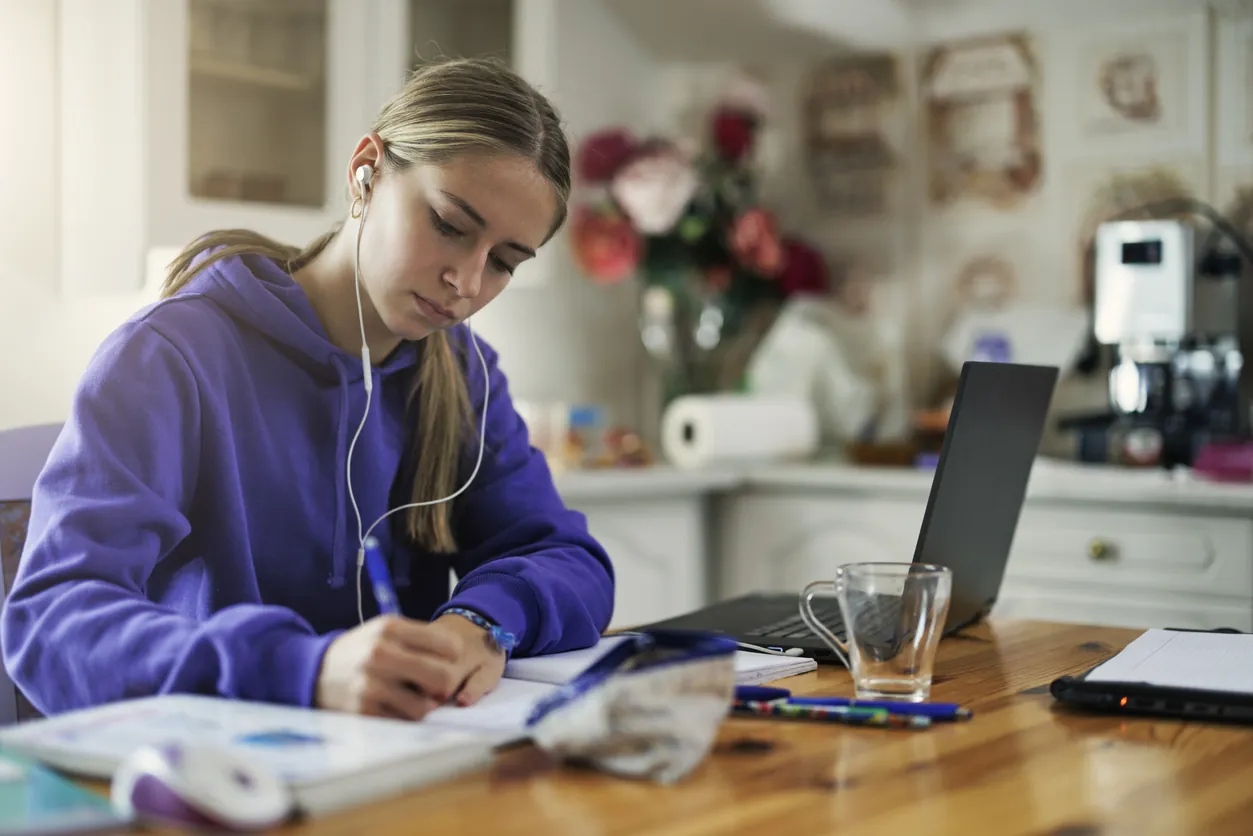
Academic pressure can begin long before report cards or major exams enter the picture. For some children, school becomes a source of worry rather than curiosity, and small concerns can grow into persistent stress.
Academic anxiety does not always look the way we expect. It can hide behind perfectionism, avoidance, irritability or even physical complaints. Understanding the early signs matters. When parents and tutors notice the subtle shifts in mood or behaviour, they are better placed to respond with steadiness, compassion and practical support.
Common Early Signs of Academic Anxiety
- Procrastination and Task Paralysis
What looks like laziness is often overwhelm. A student may sit staring at a page, unable to begin because the task feels too big or the fear of failure feels too strong. Breaking work into clearly defined, manageable steps during tutoring reduces that initial barrier. Parents can help by setting a consistent start time and focusing only on the first small step rather than the entire assignment. Momentum builds confidence and confidence reduces avoidance.
- Excessive Worry About Mistakes
For some students, even minor errors trigger disproportionate distress. They may apologise repeatedly or redo work long after it is necessary. This pattern usually reflects fear rather than carelessness. In structured learning sessions, mistakes are reframed as useful data, not evidence of inadequacy. Reinforcing effort, strategy and persistence in everyday conversations helps shift the focus away from perfection. When adults respond calmly to errors, children gradually learn to do the same.
- Frequent Requests for Reassurance
Repeatedly seeking confirmation before moving on often signals fragile self-trust. The student may know the answer but doubt their own judgment. Encouraging simple self-checking strategies during tutoring builds independence over time. Instead of immediately confirming correctness, prompting them to explain their reasoning strengthens internal confidence. Parents can support this at home by asking questions such as “What do you think?” before providing answers, helping children develop problem-solving skills in a gentle, empowering way.
- Shutting Down When Corrected
Some learners withdraw completely after feedback. Eye contact fades, responses shorten, and progress halts. Correction can feel like rejection when anxiety is high. Clear, neutral language that focuses on the task rather than the child tends to keep communication safe. Parents may notice similar reactions during homework. Responding without frustration and modelling calm problem-solving helps demonstrate that feedback is guidance, not judgement. Emotional safety allows learning to continue.
- Low Confidence in Previously Mastered Skills
A student who once completed similar work with ease may suddenly claim they cannot do it. Anxiety can interfere with recall, particularly when pressure increases. Revisiting familiar material in a low-stakes way often restores fluency. Celebrating small wins and gently reminding them of earlier successes strengthens belief in their ability. Confidence is rarely rebuilt through pressure. It grows through repeated experiences of competence in a supportive environment.
How Tutor Doctor Identifies and Addresses Academic Anxiety
Early signs of academic anxiety can be subtle, but timely recognition makes a significant difference in a child’s learning and well-being. A Tutor Doctor, we pay close attention to patterns in attention, confidence, and task approach during one-on-one sessions and communicate these observations to parents.
By combining targeted strategies, structured routines, and supportive coaching, our tutors help students build coping skills and self-confidence. Early intervention improves academic performance and reduces stress, making school a more positive and manageable experience for both child and family.
Contact us for a free consultation.