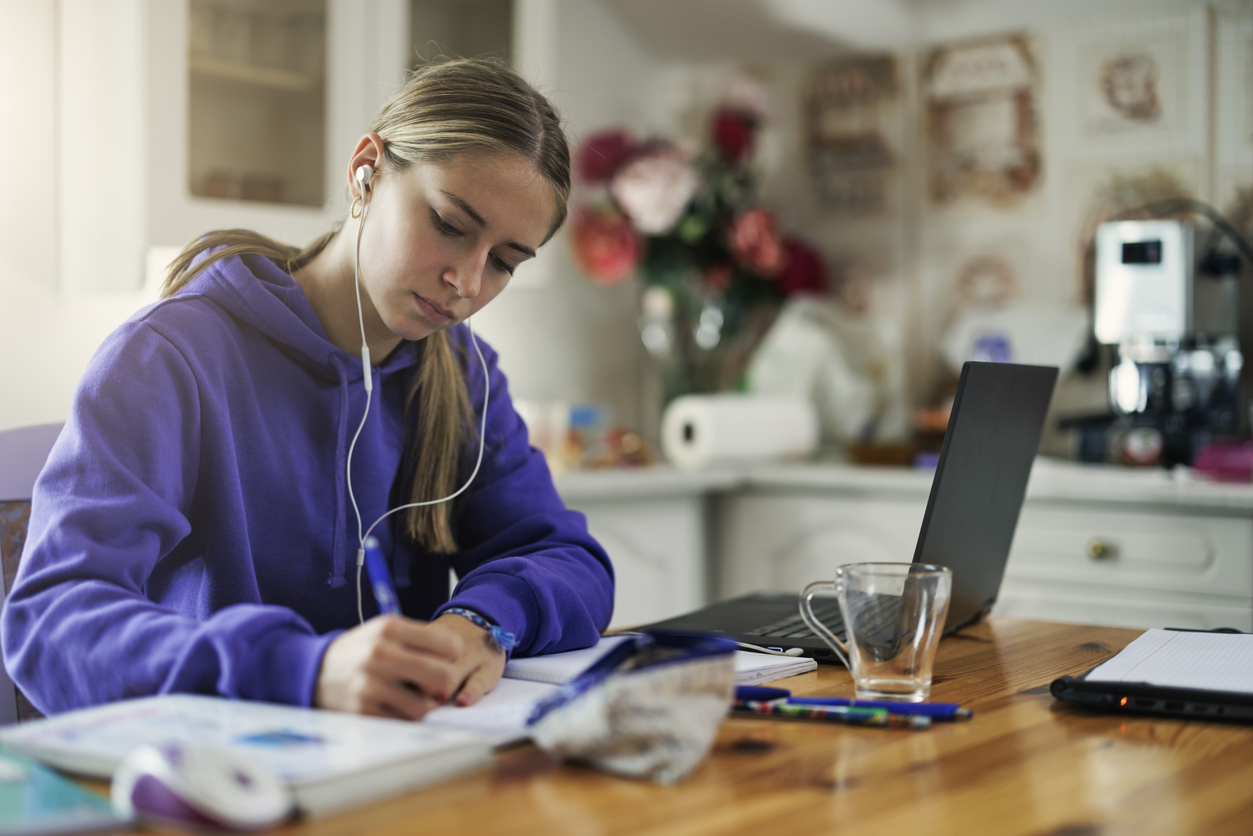

Exam time can stir up pressure for children and parents alike, and emotions often run high behind the scenes. When stress builds, it can affect memory and make even well-prepared students doubt themselves. Staying calm is not about ignoring challenges, but about creating the steady emotional space children need to think clearly, feel safe, and do their best.
A calm approach also strengthens confidence, resilience, and long-term wellbeing beyond any single test. Supporting emotional balance during this period helps children see exams as manageable, not overwhelming.
The following strategies show practical ways to encourage a calm mindset.
Keep Home Routines Predictable
During exam periods, familiarity helps children feel secure when academic pressure increases. Predictable meal times, bedtimes, and after-school patterns create a sense of stability that reduces background stress. When daily life feels orderly, children use less mental energy adjusting to change and more on learning and recall. Consistent routines also support sleep, mood, and concentration, which are all closely linked to emotional regulation.
Help Your Student Plan Ahead
Planning ahead reduces last-minute panic, which is one of the biggest triggers for exam anxiety. When children can see what needs to be done and when, tasks feel manageable instead of overwhelming. Clear plans support a sense of control, and feeling in control helps calm the nervous system. It also prevents the build-up of unfinished work that can weigh heavily on a child’s mind. Encouraging your student to complete practice tests to learn how to manage their time during exams can also reduce stress.
Limit Late-night Cramming
Late-night studying often increases stress rather than improving performance. Tired brains struggle to concentrate and think clearly under pressure. Lack of sleep also heightens emotional reactions, making small worries feel bigger the next day. Encouraging children to stop at a reasonable time supports memory consolidation, mood balance, and clearer thinking during exams. Rested students are more likely to feel steady and confident. Protecting sleep sends the message that well-being matters just as much as academic effort during demanding periods.
Watch for Signs of Overwhelm
Children do not always say when stress is building, so changes in behaviour can be important signals. Irritability, withdrawal, tears, trouble sleeping, or avoiding study may all point to emotional overload. Noticing these early allows parents to respond with support before anxiety escalates. Feeling seen and understood can itself lower stress levels. Gentle check-ins show children they are not facing pressure alone. Early reassurance and small adjustments can restore balance and help them return to study with a clearer, calmer mindset.
Celebrate Finishing Each Exam
Acknowledging the end of each exam helps release built-up tension and gives children a sense of progress. It shifts the focus from worrying about performance to recognising effort and persistence. Small moments of celebration mark closure, which helps the mind move forward rather than replaying mistakes. This reinforces the idea that exams are events to move through, not threats to dwell on. Positive recognition builds resilience, reminding children they can handle challenges and come out the other side with growing confidence.
How Tutor Doctor Assists Students With Exam Preparation
At Tutor Doctor, we focus on helping each student prepare for exams in a way that suits them individually. We work alongside children to break down complex topics, strengthen understanding, and practice essential skills.
Our tutors guide students in creating manageable study plans and using effective revision techniques, while also supporting them to stay calm and confident. By encouraging healthy study habits and positive mindsets, we help students approach tests with clarity, focus, and belief in their abilities.
Contact us for a free consultation.