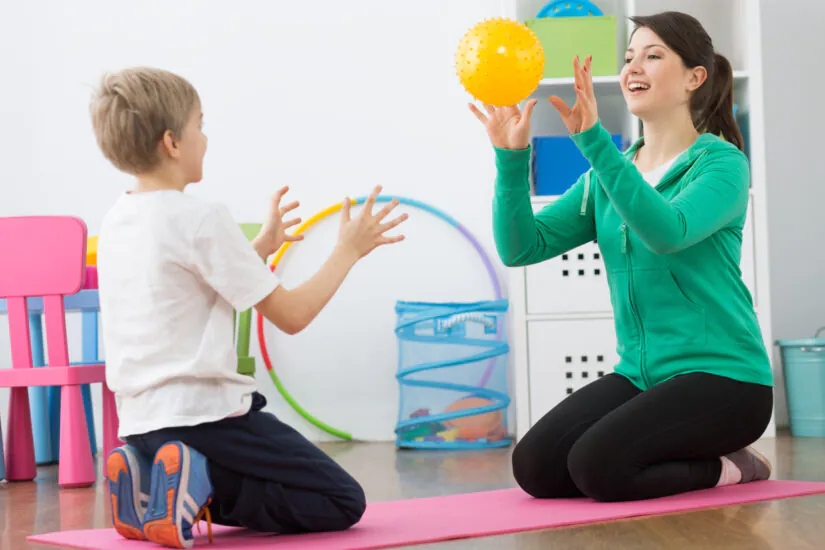
Some children learn best by moving, touching, and actively doing, rather than sitting still and listening or reading. These “hands-on” or kinesthetic learners absorb information when they can engage physically with what they’re studying, which helps them understand and remember concepts more deeply.
Using strategies that combine action with learning can boost focus, make studying more enjoyable, and strengthen memory, giving your child a better chance to retain information and feel confident in their abilities. Try these proven methods with your child to support understanding, recall, and long-term learning success.
- Learning Through Physical Movement
Repeating material while walking, using gestures, or performing simple hand motions helps the brain connect physical activity with the content. Research shows that incorporating movement can improve memory, especially for sequences or lists, by engaging both thinking and motor skills. Moving also makes learning more enjoyable, helping your child stay motivated and active while studying.
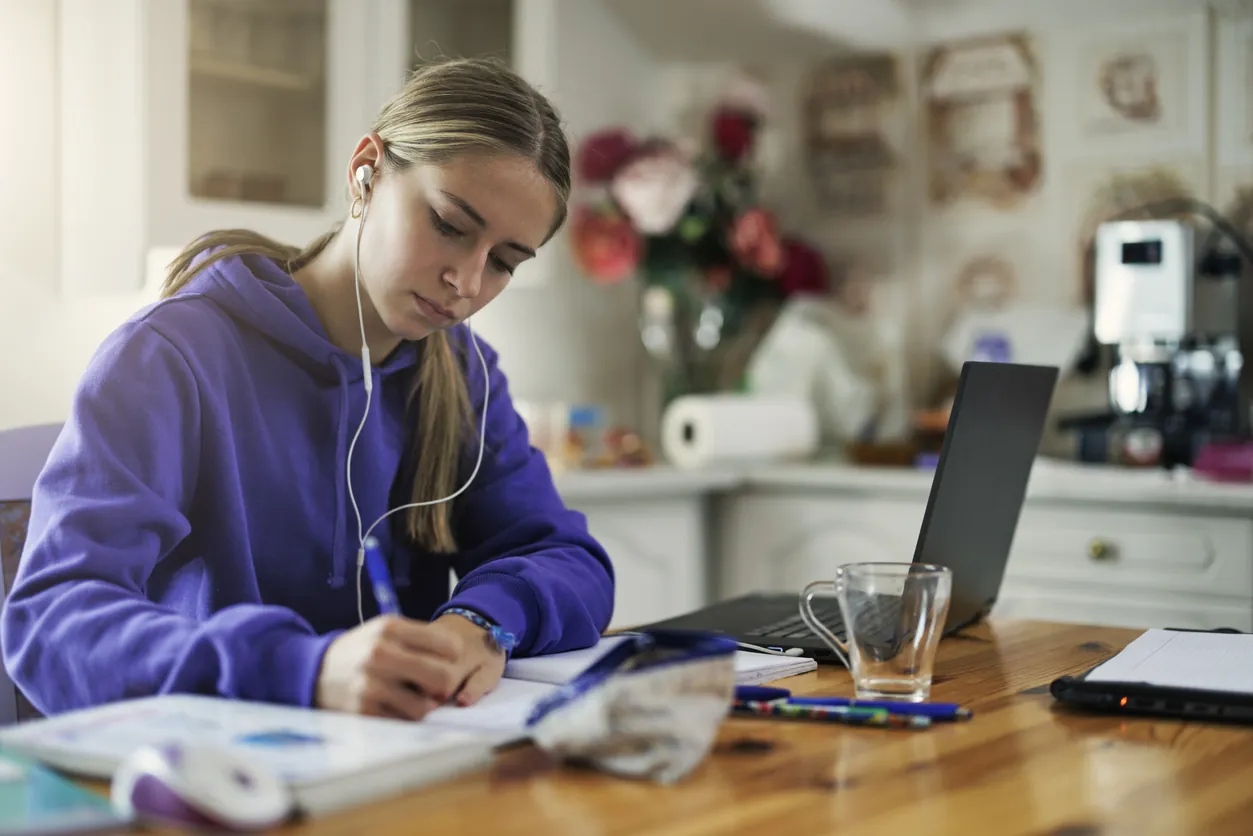
- Writing and Rewriting Notes
Encouraging your child to write notes by hand strengthens memory. Forming letters and words engages fine motor skills and helps reinforce learning pathways. Writing also allows your child to slow down and process information carefully, making ideas easier to understand and recall later, even without referencing typed notes.
- Role-Playing or Acting
Having your child act out scenarios or concepts can make learning more memorable. By embodying characters or situations, they create physical and emotional connections to the material. Educational research shows that role-playing improves recall and understanding, particularly for subjects like languages, history, or social skills, because children experience content actively rather than passively.
- Hands-On Learning with Objects
Manipulating objects related to what they are studying supports retention. Using models, props, or tangible items allows children to explore ideas physically. This approach encourages curiosity and problem-solving while reinforcing concepts in a way that reading or listening alone cannot, making abstract ideas feel more concrete and understandable.
- Teaching Skills to Others
Encouraging your child to explain concepts to someone else, even while demonstrating with gestures or actions, helps them internalise information. Teaching requires actively organising knowledge, which strengthens understanding. It also builds confidence, communication skills, and the ability to connect ideas in a way that reinforces learning.
- Using Interactive Flashcards
Flashcards that involve movement, such as sorting, flipping, or organising them, can make studying more effective. Handling cards gives tactile feedback and helps your child focus while testing recall. Many teachers and tutors find this technique helps learners stay engaged and turns memorisation into an interactive activity.
- Spatial Memory Navigation
Linking information to physical or imagined spaces can help your child remember more. Walking through a space or visualising a “memory palace” allows them to associate content with spatial cues. Research shows that combining movement with spatial memory improves learning, making recall faster and more reliable for children who benefit from active engagement.
How Tutor Doctor Supports Different Learning Styles
At Tutor Doctor, we understand that every student learns differently, so we personalise lessons to suit each individual. By adapting teaching methods to match learning preferences, we make concepts easier to understand and remember.
Our approach builds confidence, encourages engagement, and supports skill development, helping students progress at their own pace. We create a flexible, supportive learning environment where all learners can succeed, feel motivated, and develop a deeper understanding of the material, no matter their preferred style of learning.Contact us for a free consultation.