
A scientific mindset starts with a willingness to ask questions and explore how things work. In a world where young people are constantly exposed to new ideas and competing claims, helping them develop a careful, curious approach to information is more important than ever. It’s built gradually, through consistent, small habits at home.
Parents can encourage this way of thinking by creating everyday opportunities for their kids to explore, question and investigate. Here are five easy practices to get started.
Get Into the Habit of Asking “Why?”
Encouraging children to ask why helps them move beyond simply accepting things as they are. A child who wonders why the sky turns orange at sunset, or why ice floats instead of sinking, has already taken the first step toward thinking like a scientist. They’re looking for an explanation instead of just noticing a fact.
Parents can support this habit by showing genuine interest in these questions rather than rushing to supply an answer. Try responding with “That’s a great question, what do you think is happening?” before reaching for Google.
Keep a List of Things to Investigate
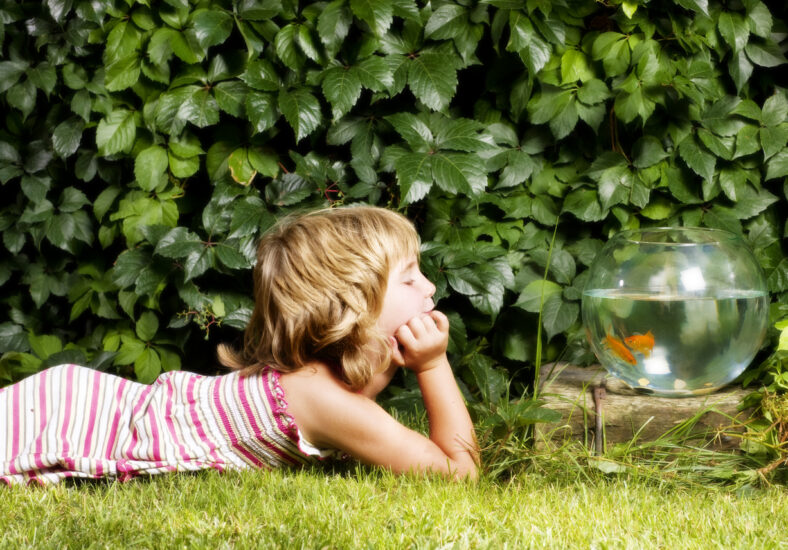
Curiosity is easy to lose track of. A child might wonder why the bathroom mirror fogs up after a shower or whether goldfish really have a three-second memory, and then forget the question entirely by the next day.
A simple running list, whether it’s a notebook on the fridge or a shared notes app, gives those questions somewhere to live. Parents can encourage kids to revisit the list on a weekend or rainy afternoon, turning a passing thought into a real mini-investigation.
Dismantle Everyday Objects to Find How They Work
Your house is full of objects kids can take apart to discover how they’re designed and built. An old remote control, a broken toaster, or a wind-up alarm clock can all reveal the gears, circuits, and mechanisms hiding behind a plain plastic shell.
With appropriate supervision (and objects that are unplugged and safe to open), this kind of hands-on exploration helps children see the engineering behind things they normally take for granted. There are also many simple science experiments you can do with household items to spark curiosity.
Test a Belief by Finding Evidence
Children encounter information from many directions: friends, social media, YouTube, and overheard conversations. Helping them ask, “Where did this claim come from, and what actually supports it?” teaches them to pause before accepting something as true.
A useful habit is asking two simple follow-up questions whenever a bold claim comes up: “How do we know that?” and “Is there another explanation?” This doesn’t have to feel like a lecture. It can be as casual as fact-checking a claim together over dinner.
Notice Patterns in Everyday Life
Many scientific discoveries begin with someone noticing that something keeps happening. Why does the dog always bark at the mailman but not at other cars? Why do clouds look different before it rains?
Parents can encourage children to pay attention to patterns like these in nature, household routines, or everyday objects. Noticing a pattern is often the first step toward asking a real scientific question, and it shows kids that science is happening around them all the time.
How Tutor Doctor Helps Students Think Scientifically
These habits are simple, but building them consistently takes time, and that’s exactly where the right support can make a difference. Our tutors help students understand the ideas behind the facts while encouraging questioning and evidence-checking.
Through personalised support, students strengthen their understanding of science while making real connections between classroom material and the world they see every day. The result is a student who doesn’t just study science, but starts to think like a scientist, in the classroom and out of it.
Contact us for a free consultation!