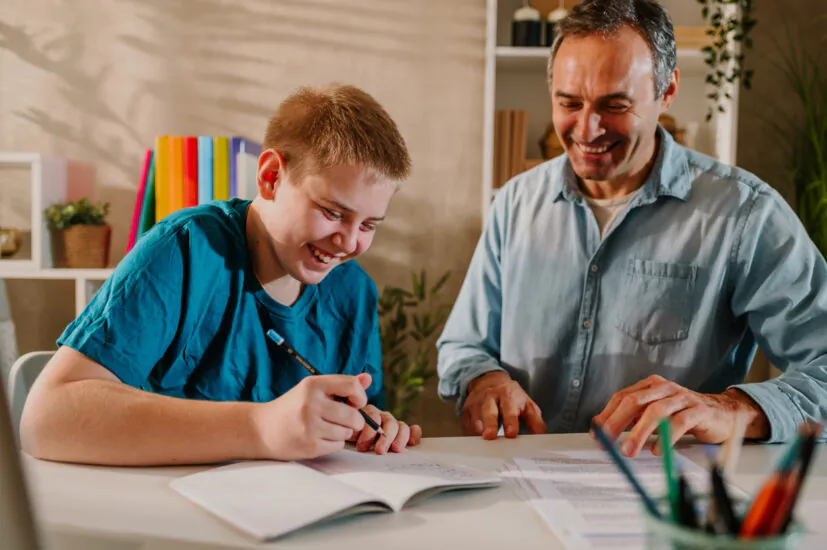
A love of learning is one of the most powerful drivers of academic success. When children genuinely enjoy what they are learning, their brains respond in remarkable ways that strengthen understanding, memory, and confidence. Enjoyment is not a luxury in education; it is a catalyst for deeper thinking and lasting growth.
As a parent, recognising the connection between emotion and cognition can transform the way learning is experienced at home and at school. Understanding what happens inside the brain when curiosity is sparked opens the door to more meaningful educational journeys for every young learner.
Here are five amazing ways a love of learning transforms your student’s brain.
Activates The Brain’s Reward System
When children learn something they genuinely enjoy, the brain’s reward circuitry becomes highly active. Regions associated with motivation release dopamine, a neurotransmitter linked to pleasure and drive. This response strengthens the connection between effort and positive emotion, encouraging persistence. When learning feels rewarding, children are more willing to repeat challenging tasks. Over time, the brain begins to associate curiosity and effort with satisfaction, making it more likely that a child will seek out new knowledge independently.
Increases Attention And Focus
Interest has a powerful effect on attention networks in the brain. When children care about what they are learning, they are better able to concentrate for sustained periods. Enjoyment reduces internal resistance and distraction, allowing more mental energy to be directed towards processing information. Rather than forcing focus, the brain naturally prioritises material it finds meaningful. This deeper concentration supports a stronger understanding and reduces the cognitive fatigue often associated with disengaged learning.
Builds Stronger Neural Connections
Learning physically reshapes the brain through neuroplasticity, the process by which neural pathways strengthen with repeated use. When learning is enjoyable, repetition feels purposeful rather than pressured, increasing the likelihood that these pathways consolidate. Positive emotional experiences signal to the brain that the information is valuable, reinforcing connections between neurons. As these connections strengthen, retrieval becomes faster and more reliable, helping children feel more secure in what they know.
Enhances Problem-Solving Skills
When children enjoy what they are learning, different parts of the brain work together more effectively to support problem-solving and flexible thinking. Tasks that are interesting or engaging activate the brain’s reward system, which reinforces motivation and focus. A study from the National Institute of Mental Health in the United States showed that intrinsic motivation, doing a task because it is rewarding or enjoyable, stimulates these reward regions, helping learners persist with challenging problems and explore new ways to find solutions.
Improves Executive Functioning
Executive functions such as planning, working memory, and self-regulation are closely linked to emotional state. When learning is associated with positive feelings, children are better able to organise their thinking and manage their effort. Reduced stress allows the prefrontal cortex to operate more effectively, supporting goal setting and sustained mental effort. As children experience success in areas they enjoy, they develop greater independence and stronger cognitive control during challenging academic tasks.
How Tutor Doctor Encourages a Love of Learning
At Tutor Doctor, we understand that a genuine love of learning transforms the way a child’s brain engages with education. That is why our approach begins with getting to know each student’s interests, strengths, and goals.
By personalising sessions and matching students with tutors who connect with them, we create positive, confidence-building experiences. When learning feels enjoyable and achievable, motivation grows naturally. Over time, this supportive approach helps students build stronger skills, greater resilience, and a lasting enthusiasm for learning.
Contact us for a free consultation!