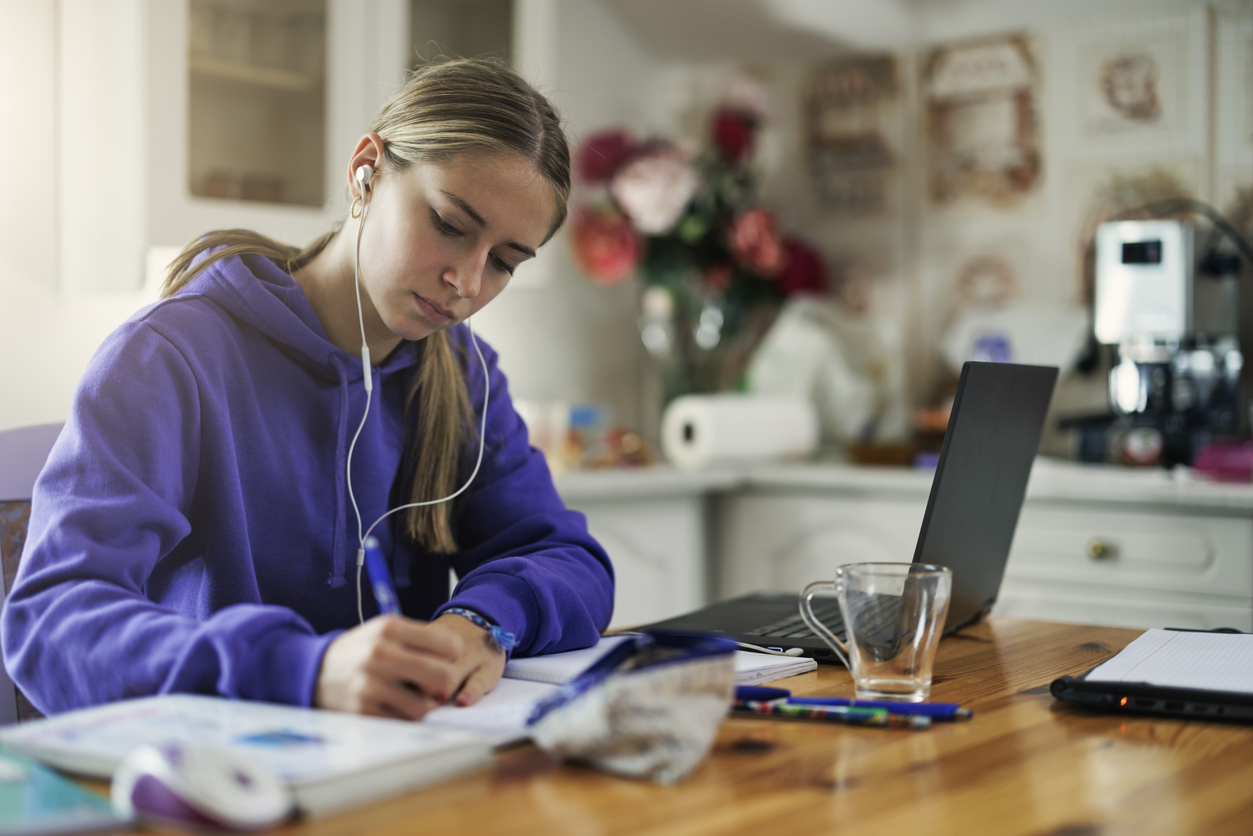

As the days grow colder and kids spend more time indoors, it’s easy for screens to take over. This is particularly true during the July school holidays when busy families often rely on screens to provide entertainment for bored kids.
Stepping away from devices occasionally can be highly beneficial, even during tutoring sessions. Screen-free activities keep students thinking, communicating, and solving problems in a way that many digital activities cannot. International research has found that limiting kids’ screen time, even for a short period, can have a positive impact on mental health and social skills. Hands-on learning also strengthens memory and comprehension by actively involving students in the learning process.
Below are some simple indoor activities that tutors can use or recommend to parents to help students stay engaged in learning while they’re spending more time indoors.
- Read Aloud Together
Few activities are as simple yet as effective as reading aloud. We recommend choosing books that match kids’ interests and encourage discussion as you read. Extend the activity by acting out scenes, predicting what happens next, exploring new vocabulary, or identifying facts, opinions, and persuasive language in stories or newspaper articles.
- Practise Debating Skills
Fun, age-appropriate topics such as “Should school uniforms be abolished?” are always a hit when practicing debating skills. Encourage students to explain and defend their opinions using clear reasons and examples. Debating gives students a chance to improve their communication and critical thinking skills in a relaxed environment, helping them become more confident public speakers.
- Play Word Association Games
This is a great ice-breaker to get students’ brains working. Starting with a single word, challenge students to think of a related word within a few seconds. These games are an enjoyable way to build vocabulary and improve quick thinking. You can make the game more challenging by choosing themes, parts of speech, or subject-specific vocabulary linked to current learning.
- Estimate and Measure Objects
Gather some everyday household objects and ask students to estimate their length, height, or weight before measuring them. Comparing estimates with actual results opens up good conversation about which strategies worked best, and allows you to relate real-world examples to what they’re learning in class.
- Solve Brain Teasers
On days when motivation is running low, a well-chosen riddle can provide an instant boost. Logic puzzles work well as lesson warm-ups or icebreakers while encouraging persistence and creative problem-solving. It’s important to choose age-appropriate challenges that stretch students without leading to frustration.
- Teach the Teacher
Flipping the dynamic and inviting students to become the teacher can be a very effective strategy. Ask students to explain a concept they have recently learned, whether that’s a maths strategy, a grammar rule, or a science topic. Teaching someone else reinforces understanding and helps identify any gaps in knowledge that may need extra attention.
The Tutor Doctor Difference
At Tutor Doctor, we understand that meaningful learning extends beyond a screen. While technology supports education in vital ways, in-person, one-to-one tutoring creates opportunities for conversation, hands-on activities, and personalised learning that keep students actively engaged.
From reading together and solving puzzles to practising debate and exploring real-world maths, our tutors draw on a variety of screen-free approaches to make learning enjoyable. These interactive experiences help strengthen academic skills and encourage curiosity and motivation.
Contact us for a free consultation.