Some students seem to learn new ideas quickly when lessons become more practical and hands-on. This is because active learning can make information easier to understand, remember, and apply in everyday situations. When children are involved in the learning process rather than simply listening or reading, they often feel more interested and confident.
Practical learning can also help students stay focused and motivated, especially if they struggle with traditional classroom methods. Every child learns differently, and recognising the value of practical experiences can help parents better support their child’s education. Understanding how children learn best is an important step towards building stronger learning habits.
Practical learning works because it:
- Produces Immediate Results
Practical learning often gives students quick feedback, which can make learning feel more rewarding. Seeing results straight away helps children understand whether they are on the right track. This can build confidence and encourage them to keep trying. Immediate outcomes also make lessons feel more meaningful and easier to connect with.
- Keeps Students More Engaged
Many students learn better when they are actively involved instead of simply listening for long periods. Practical lessons can hold attention more effectively because students are participating rather than observing. This higher level of engagement often leads to better concentration and a stronger willingness to take part in learning activities.
- Improves Memory Retention
Children are often more likely to remember information when they experience it directly. Practical learning encourages students to use multiple skills at once, which can strengthen memory and understanding. Instead of memorising facts temporarily, students may retain information for longer because the learning process feels more active and memorable.
- Is More Relevant to Everyday Life
Practical lessons often help children understand how knowledge connects to real situations and daily experiences. Students can become more motivated when learning feels useful outside the classroom. This sense of relevance can make learning feel less abstract and more worthwhile, encouraging students to stay interested and involved in their education.
- Encourages Faster Learning Through Participation
Participation plays an important role in helping students absorb information quickly. When children are actively involved in tasks and discussions, they often process ideas more effectively than through passive learning alone. Practical activities can encourage students to think independently and ask questions while learning new skills and concepts.
- Improves Communication and Teamwork
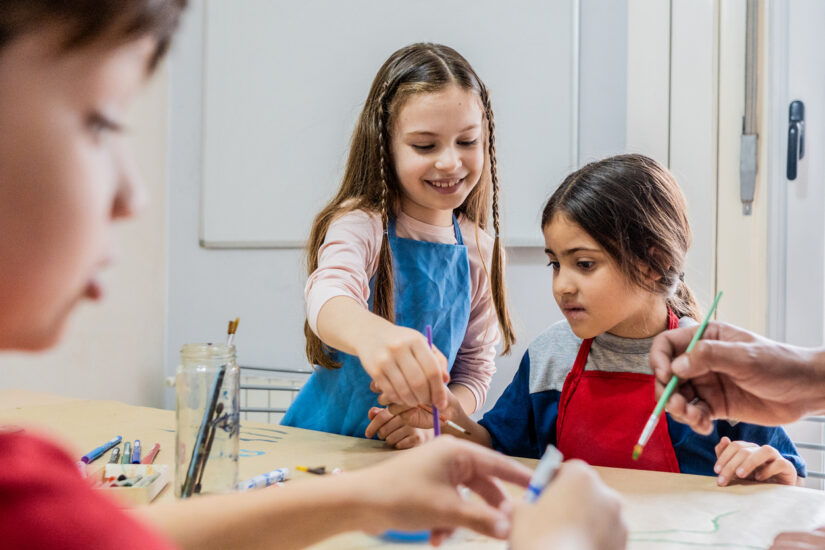
Practical tasks often require students to work alongside others, which can help students develop stronger communication skills. Through shared activities, children learn how to listen and express their ideas clearly. Team-based learning can also build confidence in social situations and teach students the importance of patience and collaboration.
- Makes Complex Topics Feel Simpler
Some subjects can feel overwhelming when taught only through textbooks or lectures. Practical learning can break difficult ideas into smaller, more understandable steps. By interacting with concepts directly, students may find it easier to grasp information that once seemed confusing. This can reduce frustration and create a more positive learning experience.
- Encourages Creative Thinking
Practical activities often allow students to think more freely and explore different ways of solving problems. Instead of focusing only on correct answers, children can experiment, test ideas, and develop original thinking skills. Creative learning environments may also help students feel more confident expressing themselves and approaching challenges with curiosity and imagination.
How Tutor Doctor Supports Practical Learning
At Tutor Doctor, we understand that every child learns differently. That is why we support practical learning approaches that encourage students to actively participate in the learning process.
Our tutors use engaging methods that help students apply concepts, build confidence, and strengthen understanding in a way that feels natural and enjoyable. By tailoring lessons to each student’s learning style and pace, we aim to make education more meaningful and effective.
Contact us for a free consultation!